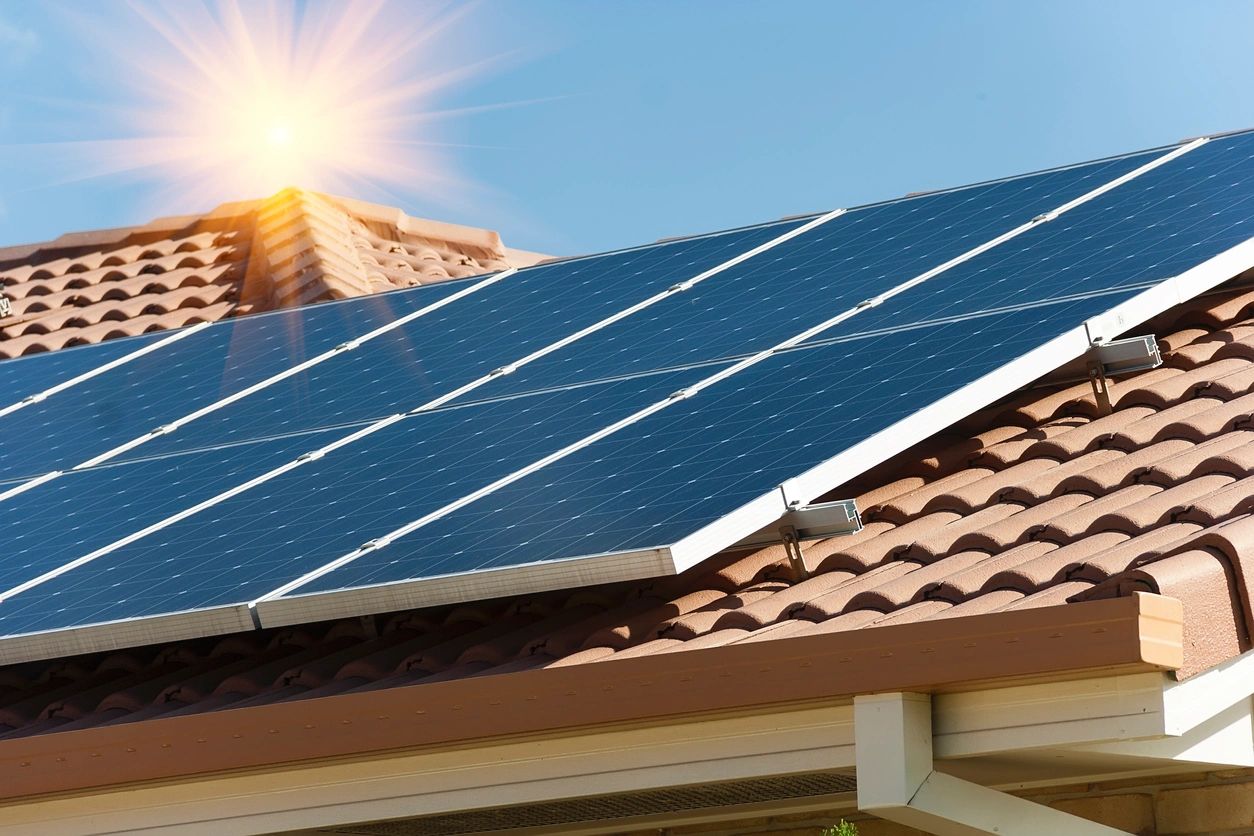
The solar industry in the United States continues to grow rapidly as homeowners look for ways to reduce energy bills, increase home value, and gain energy independence. Whether you’re a homeowner exploring your first solar project or an installer looking to offer better guidance, understanding current costs, system sizes, and brand trends is essential.
(Related Ads)
Why U.S. Homeowners Are Choosing Solar
More Americans are switching to solar for three main reasons:
1. Rising Utility Costs
Electricity prices continue climbing year over year. Solar allows households to lock in a predictable, lower long-term energy cost.
2. Federal Incentives
The 30% federal Solar Investment Tax Credit (ITC) significantly reduces system cost.
3. Energy Independence
With more frequent outages and extreme weather events, U.S. homeowners are pairing solar with batteries for reliable backup power.
The Real Cost of Going Solar in the U.S. (2025)
While prices vary by state, roof type, and equipment, the average U.S. residential solar system costs:
• $2.25 – $3.25 per watt installed
A typical 6 kW system costs:
Before incentives: $13,500 – $19,500
After 30% ITC: $9,450 – $13,650
Factors that affect final cost:
Roof complexity
Panel brand and efficiency
Inverter type
Whether a battery is added
Local permitting and labor rates
Typical Solar System Sizes in the United States
Most U.S. homes install systems sized between 5 kW and 10 kW, but regional differences matter.
Common system sizes by region:
West (CA, AZ, NV): 6–10 kW
South (TX, FL, GA): 7–12 kW
Midwest (IL, OH, MI): 5–8 kW
Northeast (NY, MA, NJ): 5–7 kW
What determines the right size?
Annual electricity usage
Roof space and orientation
Solar incentives and net metering rules
Whether a battery is included
Should U.S. Homeowners Add a Battery?
Battery adoption is increasing due to outages and utility time-of-use rates.
Common reasons to add storage:
Backup power during blackouts
Avoiding peak-hour utility rates
Increased home resilience
Typical home batteries range from 10–15 kWh, enough to power essential loads for several hours.
Most Popular Solar Brands Used in the U.S.
Top Solar Panel Brands
Qcells
REC
Canadian Solar
JA Solar
Panasonic
Top Inverter / Microinverter Brands
Enphase
SolarEdge
SMA
Hoymiles
Top Battery Brands
Tesla Powerwall
Enphase IQ Battery
BYD
LG ESS
Installers usually choose based on:
Warranty
Efficiency
Availability
Price
How Solar Affects U.S. Home Values
Homes with solar systems typically see:
• 3–5% higher resale value
Homes with newer solar-plus-battery systems often sell faster in markets with high energy costs.
For Installers: Key Trends in the U.S. Market
Increasing demand for battery systems
Homeowners expect fast, online quote tools
Permitting delays remain a challenge
Training on new inverter and storage technologies is important
Installers offering clear pricing and strong warranties are growing the fastest.
Final Thoughts
Whether you’re a homeowner considering solar or an installer advising clients, understanding the U.S. market in 2025 is crucial. Costs are attractive thanks to incentives, technology continues to improve, and energy independence is becoming a priority for American families.
Solar is more than an upgrade — it’s a long-term home investment.