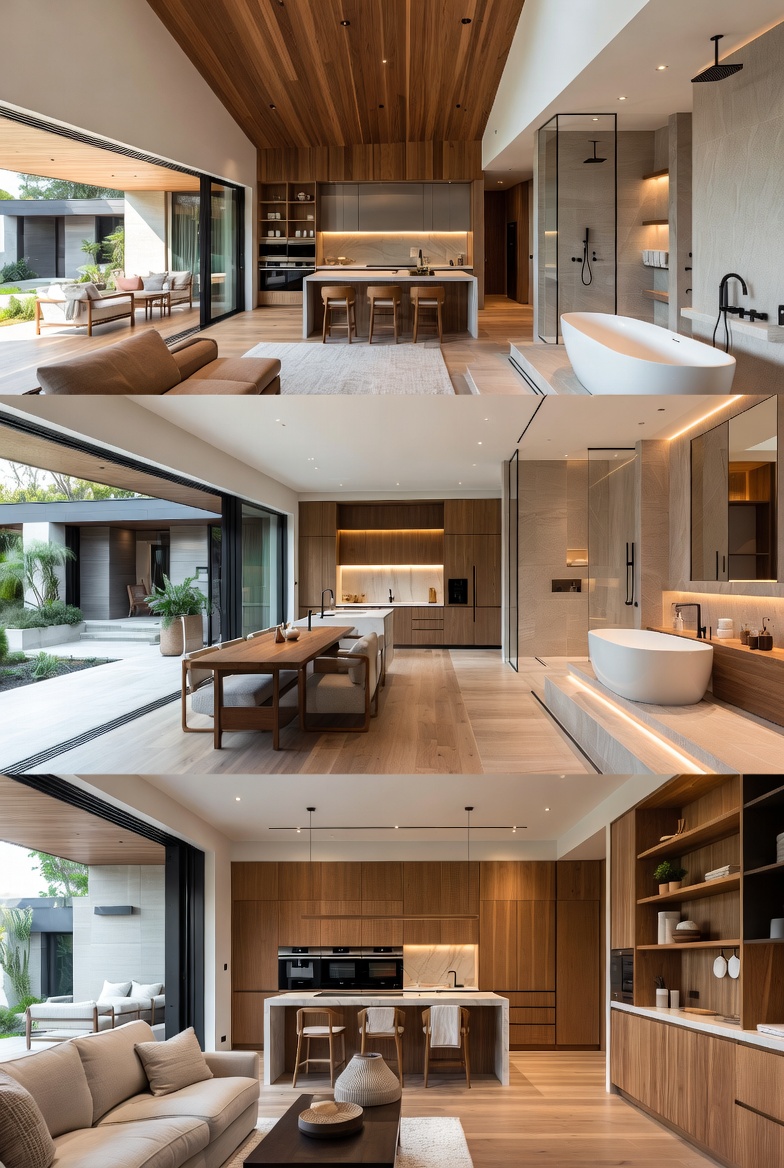
Aging‑in‑place remodeling has entered a new era. In 2026, designing a home that supports long‑term independence no longer means sacrificing beauty or feeling like your house has turned into a medical facility.
Today’s aging‑in‑place renovations are subtle, stylish, and smart—built around universal design principles that benefit homeowners of all ages. Whether you’re planning ahead or adapting your home now, these 2026 features make it possible to stay in your home forever—comfortably and confidently.
1. Zero‑Threshold Entries That Look Seamless
One of the most important aging‑in‑place home modifications is eliminating steps. In 2026, zero‑threshold entries are designed to blend naturally with exterior architecture using gentle grading, hidden ramps, and flush thresholds.
These features improve safety while maintaining curb appeal.
Why It Matters: Reduces fall risk and improves accessibility for everyone—from strollers to wheelchairs.
2. Wider Doorways & Open Circulation Paths
Homes remodeled for aging in place now prioritize wider doorways and hallways without making spaces feel institutional. Pocket doors, barn‑style sliders, and cased openings maintain flow while improving mobility.
2026 Design Upgrade: Clean lines, modern hardware, and cohesive trim styles keep the look intentional.
3. Stylish, Slip‑Resistant Flooring
Flooring is a major safety factor—and a major design opportunity. In 2026, homeowners are choosing:
Textured porcelain tile
Luxury vinyl plank with high slip resistance
Engineered hardwood with matte finishes
These materials reduce fall risk while delivering a high‑end look.
Value Bonus: Durable flooring appeals to buyers of all ages.
4. Bathrooms Designed for Independence (and Beauty)
Bathrooms are the heart of aging‑in‑place remodeling. The latest senior‑friendly home design features include:
Curbless walk‑in showers
Built‑in shower benches
Reinforced walls for future grab bars
Comfort‑height toilets
Lever‑style faucets
In 2026, grab bars double as towel rails and shelving, blending seamlessly into spa‑inspired bathrooms.
Value Impact: High — accessible bathrooms are increasingly desirable for resale.
5. Kitchens That Reduce Strain, Not Style
Aging‑in‑place kitchen remodeling focuses on minimizing bending, reaching, and lifting while keeping a modern aesthetic.
Key 2026 features include:
Pull‑out shelves and drawers
Variable‑height countertops
Touch‑ or motion‑activated faucets
Wall ovens installed at waist height
These upgrades improve daily comfort and long‑term usability.
6. Smart Home Technology That Supports Independence
Smart technology plays a major role in aging‑in‑place remodeling in 2026. Popular features include:
Voice‑controlled lighting and thermostats
Automated blinds
Smart locks and video doorbells
Fall‑detection and monitoring integrations
The key trend is simplicity: technology that works quietly in the background.
7. Flexible Rooms for Changing Needs
Universal design encourages rooms that evolve over time. A den today can become a bedroom tomorrow; a guest room can convert into a caregiver suite.
In 2026, flexible rooms are designed with:
Main‑floor accessibility
Nearby full bathrooms
Sound insulation
This adaptability allows homeowners to age in place without major future renovations.
Aging‑in‑Place Features That Add the Most Value
High‑Value Upgrades:
Curbless showers and accessible bathrooms
Zero‑step entries
Wider doorways and main‑floor living
Smart home safety features
Moderate‑Value Upgrades:
Reinforced walls for future accessibility
Flexible room layouts
Slip‑resistant flooring
Final Thoughts: Aging in Place Is Smart Design
Aging‑in‑place remodeling in 2026 is about freedom, dignity, and longevity—not limitation. The best designs don’t announce themselves as “accessible.” They simply work beautifully for every stage of life.