Introduction
Energy independence has long been a strategic goal for the United States. Reducing reliance on imported fossil fuels not only enhances national security but also stabilizes energy prices and strengthens the economy. In recent years, solar energy has emerged as a key driver in this quest for energy autonomy. From rooftop panels to massive solar farms, the U.S. is leveraging the sun to secure a cleaner, more reliable energy future.
(Related Ads)
Why Energy Independence Matters
National Security: Reducing dependence on foreign oil and gas lowers vulnerability to global market fluctuations and geopolitical tensions.
Economic Stability: Domestic energy production keeps money circulating within the U.S. economy and shields consumers from volatile international prices.
Environmental Benefits: Solar energy decreases greenhouse gas emissions, helping meet climate goals while reducing pollution-related costs.
Grid Resilience: Distributed solar installations (rooftops, microgrids) improve energy security by decentralizing production.
Solar’s Role in U.S. Energy Independence
Solar energy contributes to energy independence in several ways:
1. Reducing Fossil Fuel Demand
The U.S. still consumes over 18 million barrels of oil daily. By replacing a portion of electricity generation with solar, fossil fuel consumption is reduced.
According to the Energy Information Administration (EIA), solar generation is projected to account for nearly 15% of U.S. electricity by 2026, up from 11.4% in 2024.
2. Supporting Distributed Energy Systems
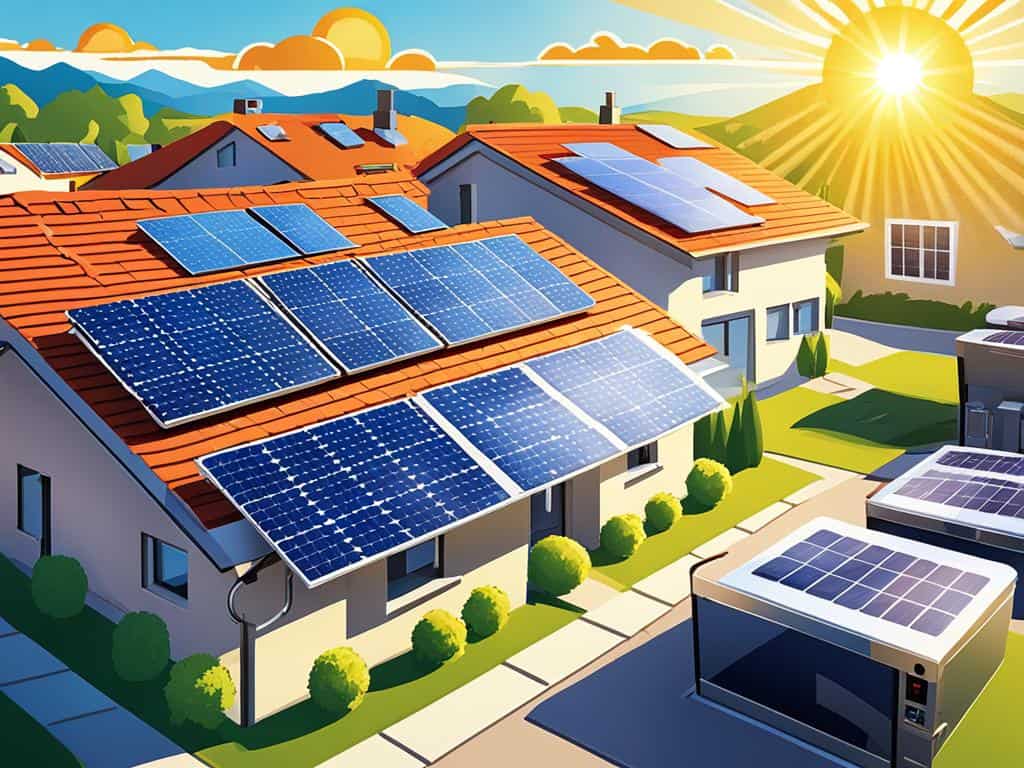
Rooftop solar panels, community solar programs, and microgrids reduce reliance on centralized power plants.
Localized generation allows regions to maintain power during national or regional grid disruptions, contributing to energy resilience.
3. Pairing with Storage for 24/7 Energy
Batteries paired with solar installations allow electricity to be stored for nighttime or cloudy days.
Large solar-plus-storage projects like Solana Generating Station (Arizona) or Hornsdale Power Reserve (California) demonstrate that solar can provide dispatchable power, critical for national energy independence.
4. Diversifying Energy Supply
Energy independence is not just about producing more—it’s about diversifying. Solar adds a predictable, domestic energy source that reduces reliance on oil, natural gas, and coal.
Hybrid solutions (solar + wind + storage) further strengthen the resilience and reliability of U.S. energy supply.
Innovative U.S. Projects Driving Energy Independence
Several projects illustrate how solar is actively enhancing U.S. energy self-reliance:
Mammoth Solar, Indiana – One of the largest PV farms in the Western Hemisphere, demonstrating utility-scale solar’s potential to supply millions of homes.
Moapa Southern Paiute Solar Project, Nevada – On tribal lands, combining renewable energy with local economic development.
Floating Solar Projects – Emerging in reservoirs and industrial ponds, offering clean energy without occupying valuable land.
Residential Solar + Community Solar Programs – Expanding access to renters and homeowners alike, enabling distributed energy independence.
Challenges to Achieving Energy Independence via Solar
Intermittency: Solar depends on sunlight, so energy storage or grid integration is necessary for consistent supply.
Infrastructure Needs: Expanding transmission, upgrading grids, and deploying smart technology are essential.
Policy & Incentives: Federal, state, and local support is critical to accelerate solar adoption and maintain momentum.
Equitable Access: Ensuring low-income households and underserved communities can benefit from solar is a social and political priority.
The Road Ahead
The U.S. is well-positioned to use solar as a cornerstone of energy independence. Key trends include:
Doubling Down on Solar + Storage: Making solar power reliable 24/7.
Urban & Distributed Solar Growth: Rooftops, parking lots, and community programs.
Domestic Manufacturing of Solar Components: Reducing supply chain dependence on foreign imports.
Integration with EVs and Smart Grids: Creating a holistic, independent energy ecosystem.
By pursuing these strategies, solar energy could significantly reduce U.S. reliance on imported fuels, enhance grid resilience, and accelerate the country’s transition to a clean, sustainable energy future.